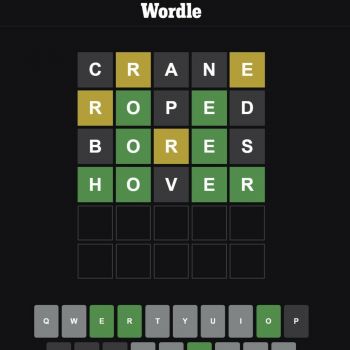
Discover the World of Wordle
What makes Wordle stand out among word puzzles
Wordle offers a simple yet addictive daily challenge that tests vocabulary and logical reasoning. Each day a new five‑letter word appears and players have six attempts to guess it. The game’s minimalistic design removes distractions, allowing the focus to remain on the puzzle itself. Because the solution changes every 24 hours, a global community gathers each morning to compare results and discuss strategies.
The core loop explained in plain terms
When a guess is entered the game provides immediate visual feedback. Green squares indicate letters that are correct and placed in the right position. Yellow squares show letters that belong in the word but are located elsewhere. Gray squares reveal letters that do not appear in the solution at all. This feedback guides the next guess, creating a clear and rewarding progression toward the answer.
Game Features That Keep Players Coming Back
Daily challenge format that encourages routine play
- A fresh puzzle is released at midnight UTC, ensuring a consistent schedule.
- Only one puzzle per day prevents overwhelm and builds anticipation.
Color feedback system that is both intuitive and informative
- Green highlights confirm correct placement of a letter.
- Yellow signals that a letter exists in the word but needs repositioning.
- Gray removes letters from consideration, narrowing options quickly.
Mastering the Puzzle Experience
Strategic approaches for success
Starting with a word that contains common vowels and consonants maximizes the amount of information gained from the first guess. Players often choose words such as “raise” or “crane” to cover a broad range of letters. After the initial feedback, focusing on the revealed green and yellow letters while eliminating gray ones leads to efficient solving.
Common pitfalls to avoid
Repeating letters that have already been marked gray can waste valuable attempts. Additionally, ignoring the positional information provided by green squares may cause unnecessary confusion. Maintaining a systematic approach and updating a mental list of possible letters after each guess reduces errors.
Why You Should Play Wordle Today
Social sharing boost that fuels friendly competition
After solving the puzzle, players can share a grid of colored squares that represents their progress without revealing the answer. This feature sparks conversation on social media platforms and creates a sense of community. Seeing how friends performed adds a light‑hearted competitive edge.
Mental exercise benefits that extend beyond the game
Wordle engages the brain by requiring pattern recognition, vocabulary recall, and deductive reasoning. Regular play can improve language skills and enhance problem‑solving abilities. The short, focused sessions fit easily into a busy schedule while still delivering cognitive stimulation.
How to play
Step‑by‑step guide for new players
- Open the Wordle interface on a web browser.
- Enter any five‑letter word using the on‑screen keyboard or physical keyboard.
- Observe the color feedback after each guess.
- Adjust subsequent guesses based on green, yellow, and gray indicators.
- Continue until the correct word is identified or six attempts are used.
Keyboard controls that streamline the experience
- Type letters directly to fill the current row.
- Press Enter to submit a guess.
- Use Backspace to delete an unwanted letter before submission.
Frequently Asked Questions About Wordle
How often does a new puzzle become available?
A new Wordle puzzle is released once every 24 hours at midnight Coordinated Universal Time.
Can I play Wordle on a mobile device?
Yes the game is fully responsive and works on smartphones and tablets through a web browser.
Is there a limit to the number of guesses I can make?
Players are allowed a maximum of six guesses to solve each daily word.
Do the same words ever repeat?
The official word list is large, and repeats are rare, but occasional overlap may occur after many months of play.
Can I see my past results?
The game does not store a personal history, but players often keep screenshots of their shared grids for reference.